

Choosing the right mouthpiece and airflow setup for a weed vape has a direct impact on comfort, vapour quality, and overall satisfaction. While temperature and strain selection often receive the most attention, airflow and mouthpiece design quietly shape how cannabis vapour feels, tastes, and performs during every session.
When choosing mouthpiece airflow weed vape configurations, it helps to understand how airflow functions in modern vaping devices, why mouthpiece design matters, and how different setups affect draw resistance, vapour density, and comfort. Whether you are new to vaping or refining your setup, this knowledge supports better decisions and more consistent results.
How Airflow Works in Cannabis Vaping Devices
Airflow controls how air moves through a vape device and across the heated cannabis material. When you inhale, air is pulled through the airflow channels, across the heater and vape chamber, and into the mouthpiece. The amount and speed of this airflow influence vapour temperature, density, and smoothness.
Open airflow allows more air to pass through the device. This usually results in cooler vapour, lighter draws, and less resistance when inhaling. Restricted airflow limits the amount of air, creating warmer vapour, denser clouds, and a tighter draw.
Most modern weed vapes fall somewhere between these two extremes. Many devices allow users to adjust airflow manually, while others are designed with fixed airflow that matches the intended use of the device.
Understanding how airflow functions helps users avoid harsh vapour, uneven heating, or weak draws. It also makes it easier to choose devices that match personal preferences rather than relying on trial and error.
Why Mouthpiece Design Matters More Than Many Expect
The mouthpiece is the final point where vapour reaches the user, but its role goes beyond comfort. Mouthpiece shape, length, and material influence how vapour cools, condenses, and feels on the inhale.
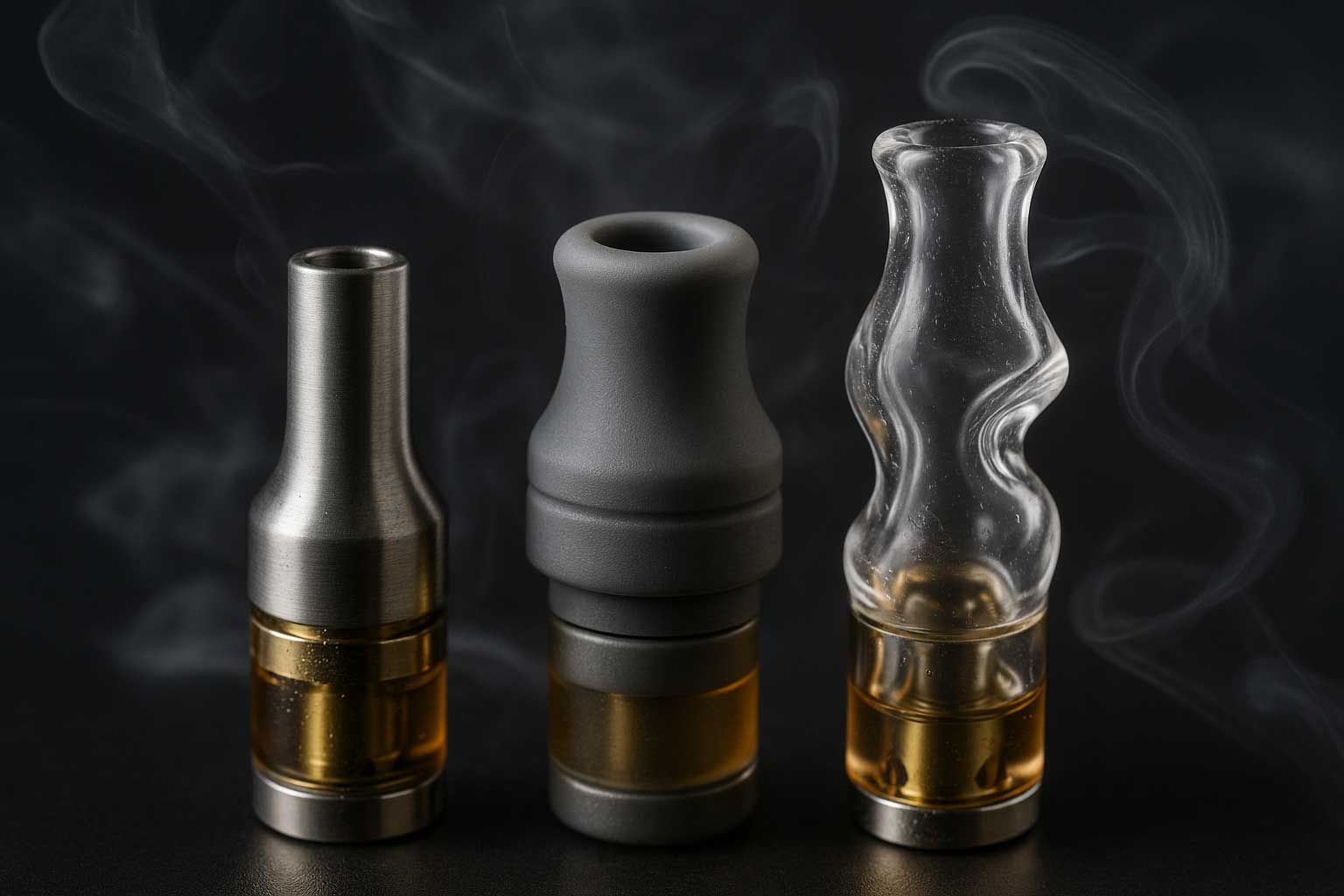
Wide mouthpieces generally allow more airflow and produce looser draws. Narrow mouthpieces restrict airflow slightly, which can increase vapour density and intensify flavour. Longer mouthpieces often cool vapour more effectively, while shorter designs deliver warmer hits.
Material choice also matters. Glass mouthpieces are popular because they do not alter flavour and are easy to clean. Silicone mouthpieces offer comfort and flexibility but may retain heat. Metal mouthpieces are durable but can feel warmer during longer sessions.
When airflow and mouthpiece design work together, the vaping experience feels balanced. When they clash, users may experience excessive heat, uneven vapour, or discomfort during use.
Choosing Mouthpiece Airflow for Different Vaping Styles
Different users prefer different vaping styles, and airflow plays a central role in shaping those preferences.
Users who prefer light, smooth draws often benefit from more open airflow and wider mouthpieces. This setup allows fresh air to cool the vapour and reduce throat irritation. It is commonly preferred for longer sessions or social use.
Users who enjoy stronger effects and denser vapour often prefer more restricted airflow. Tighter airflow increases vapour concentration and creates a more forceful draw. This setup works well for shorter sessions or users seeking stronger flavour intensity.
Some users adjust airflow based on the cannabis product they are using. Dry herb may perform better with moderate airflow that balances heat and vapour production, while concentrates often require more precise airflow control to avoid harshness.
Understanding personal preferences makes choosing airflow and mouthpiece combinations much easier.
Portable Vapes vs Larger Vaping Devices
Portable vapes and larger vaping devices often approach airflow differently due to size and design constraints.
Portable vapes typically prioritize efficiency and convenience. Many feature adjustable airflow to accommodate different environments and usage styles. Because portable devices have smaller vape chambers, airflow settings play a larger role in preventing overheating or weak vapour.
Larger devices often have more space for airflow channels and longer vapour paths. This allows for smoother vapour even with more restricted airflow. Mouthpiece options on larger devices tend to be more customizable, offering different shapes and materials.
When choosing a device, users should consider how often they vape on the go versus at home. Portability, airflow control, and mouthpiece comfort should align with daily habits rather than just technical specifications.
How Airflow Affects Vapour Quality and Effects
Airflow directly influences vapour quality and how cannabis effects are perceived. Open airflow tends to produce cooler vapour with a lighter mouthfeel. This can make sessions feel smoother and less intense, even when vapour volume is high.
Restricted airflow concentrates vapour, often leading to warmer hits and more pronounced effects. Some users feel that restricted airflow delivers effects more quickly, while others find it harsher if not carefully managed.
Airflow also affects how evenly cannabis heats inside the vape chamber. Poor airflow can cause hot spots that reduce flavour and efficiency. Balanced airflow supports consistent vaporization and better use of the material.
Adjusting airflow allows users to fine-tune sessions without changing temperature settings, offering greater control over the experience.
Mouthpiece Comfort and Session Length
Comfort plays a major role in how enjoyable a vaping session feels, especially during extended use. Mouthpiece ergonomics influence lip placement, jaw tension, and airflow control.
Rounded mouthpieces often feel more natural during longer sessions. Flat or angled designs may suit short draws but can become uncomfortable over time. Heat transfer also affects comfort. Materials that stay cooler help prevent irritation during repeated use.
Users who vape frequently may benefit from experimenting with different mouthpiece styles to find what feels best. Comfort should not be overlooked, as discomfort often leads users to abandon otherwise effective devices.
Build Quality and Airflow Reliability
Build quality affects how consistently airflow performs over time. Poorly designed airflow channels can clog or loosen, leading to inconsistent vapour production.
High-quality devices maintain stable airflow even after repeated use and cleaning. Secure mouthpiece connections prevent air leaks that weaken vapour. Durable materials reduce wear that can alter airflow behaviour.
When shopping for a weed vape, users should inspect how airflow controls are built and how mouthpieces attach. A well-constructed device delivers more predictable results and requires less adjustment.
Matching Airflow to Cannabis Type
Different cannabis forms respond differently to airflow.
Dry herb typically benefits from moderate airflow that allows even heating without pulling air too quickly through the chamber. Too much airflow can cool the chamber and reduce vapour production, while too little can overheat the material.
Concentrates often require careful airflow control to manage vapour density and temperature. Mouthpieces that cool vapour effectively are especially helpful with concentrates.
Cartridges and vape pens are usually designed with fixed airflow that matches the oil viscosity. Choosing a mouthpiece that complements this design can improve comfort and vapour smoothness.
Understanding how airflow interacts with different cannabis types helps users avoid wasted material and inconsistent results.
Common Mistakes When Choosing Airflow and Mouthpieces
Many users make airflow choices based solely on appearance or price. This often leads to frustration when vapour feels harsh or weak.
Another common mistake is assuming more airflow is always better. While open airflow feels smooth, it can dilute vapour too much for some users. Likewise, overly tight airflow can cause discomfort if not balanced by mouthpiece design.
Neglecting mouthpiece material and shape is another oversight. Even a high-quality vape can feel unpleasant if the mouthpiece does not suit the user’s preferences.
Taking time to understand airflow fundamentals reduces these issues.
Practical Tips for Dialing In Your Setup
Small adjustments can significantly improve performance.
- Start with moderate airflow and adjust gradually
- Pay attention to the vapour temperature and draw resistance
- Clean airflow channels regularly to maintain consistency
- Replace worn mouthpieces that no longer seal properly
- Match airflow to session length and cannabis type
These steps help users find a setup that feels reliable and comfortable.
Finding the Right Setup Through XpressGrass
Selecting the right weed vape involves more than choosing a brand or price point. Airflow design, mouthpiece comfort, and build quality all influence satisfaction over time.
XpressGrass offers a curated selection of vaping devices designed to support consistent airflow and comfortable mouthpiece options. Clear product information helps users compare features and choose devices that align with personal preferences.
For those refining their setup or exploring new options, reliable sourcing and guidance make the process easier.
Explore Better Vaping Choices
Choosing mouthpiece airflow for a weed vape is a practical way to improve comfort, vapour quality, and control. Understanding how airflow and mouthpiece design work together supports more enjoyable sessions and fewer frustrations.
Browse available vaping devices through XpressGrass or reach out for guidance on airflow and mouthpiece options that match your style. Thoughtful choices lead to smoother draws, better control, and more satisfying results.