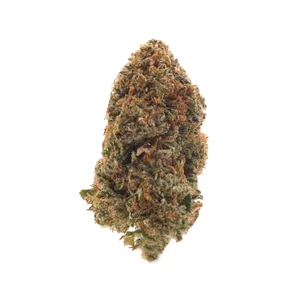

THC, the primary psychoactive compound found in cannabis, interacts with the body’s endocannabinoid system and can influence a variety of biological processes. Because this system communicates with the endocrine system, researchers have explored whether THC might influence hormone levels — particularly estrogen.
Estrogen plays a major role in reproductive health, body composition, and physical development, making it an important hormone to study when examining the effects of cannabis on the body.
What Is Estrogen?
Estrogen is a group of hormones responsible for regulating many aspects of reproductive and physical development. It plays an especially important role in female reproductive health but is present in all genders.
Estrogen influences:
- menstrual cycles
- fertility
- bone density
- fat distribution
- skin elasticity
- breast tissue development
Because estrogen affects so many biological systems, researchers have long studied how different substances may influence its production or signaling pathways.
How THC Interacts With the Body
THC interacts with the body primarily through CB1 receptors in the brain and central nervous system.
When THC binds to these receptors, it influences neurotransmitter activity, which can affect mood, perception, appetite, and stress response.
Because the endocannabinoid system communicates with the hypothalamus and pituitary glands — two important regulators of hormone production — cannabinoids may indirectly influence hormone signaling.
Research on THC and Estrogen
Studies examining THC and estrogen have produced mixed findings. Some research suggests cannabinoids may temporarily alter hormone signaling, while other studies show little measurable change.
One reason for these varied results is that hormone levels fluctuate naturally due to many biological factors, including age, menstrual cycles, stress, and nutrition.
As a result, isolating the effects of cannabis on estrogen levels can be challenging.
Hormones and Body Composition
Estrogen influences how the body distributes fat, particularly in areas such as the hips, thighs, and chest.
This hormone also contributes to breast tissue development and can affect changes in breast fullness during different stages of life.
Because hormones influence these processes, some wellness strategies include herbal ingredients traditionally associated with hormone balance.
These herbs often contain plant compounds called phytoestrogens, which can interact with estrogen receptors in the body.
A detailed explanation of how these herbal ingredients are used in modern supplements can be found in this guide exploring natural breast growth supplements and hormone-supporting herbs.
Lifestyle Factors That Affect Estrogen
Many lifestyle factors have a significant impact on estrogen balance.
These include:
- diet and nutrient intake
- physical activity levels
- sleep quality
- stress management
- body weight and fat distribution
Because estrogen is involved in so many biological processes, maintaining a balanced lifestyle is often more influential than any single external factor.
Final Thoughts
THC interacts with the body’s endocannabinoid system and may influence hormone signaling pathways. However, current research suggests that any effects on estrogen levels are typically mild and temporary.
Hormone balance is influenced by a wide range of factors including lifestyle habits, overall health, and genetics.
Understanding how hormones interact with different biological systems can help individuals better understand how substances like cannabis may influence the body.